I see a first birthday as more than just a party—it’s a milestone that marks 12 months of growth, sleepless nights, and real parenting wins. Even though my baby won’t remember it, I know I will. That’s why I focus on creating a simple, meaningful celebration that feels manageable, not stressful. From my experience, keeping things practical leads to better memories and smoother planning.
Save this for later
Key Takeaways:
- I always start with a clear budget to avoid overspending
- Choosing location early helps shape everything else
- I keep the baby’s routine as the top priority
- Simple food and decor work better than overcomplicating
- The goal is memories, not perfection
Related article: 25 Sweet + Meaningful First Birthday Ideas (Party Optional!)
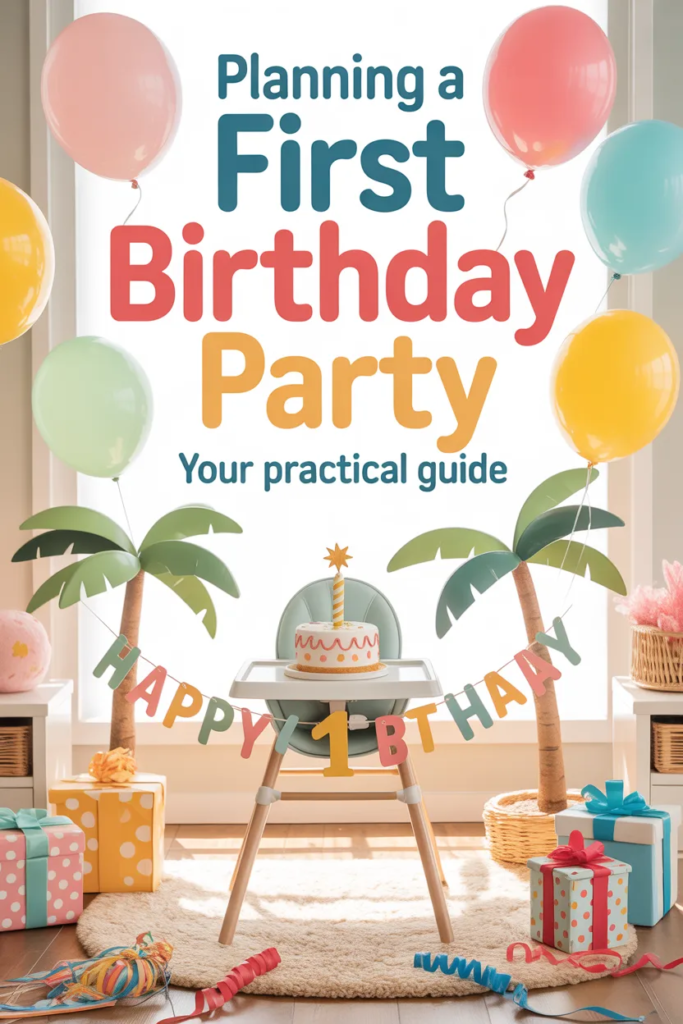
Planning a First Birthday Party
When I plan a first birthday, I follow a structured approach instead of jumping into themes or decorations. This helps me stay organized and avoid last-minute chaos. Based on typical event planning data, parents who plan at least 6–8 weeks ahead report 40% less stress. So I focus on the essentials first before getting into creative details.
Step One: Set a Budget
I always begin with a budget because it defines everything else. Whether I want themed decorations or high-quality food, I know I may not be able to prioritize both fully.
From what I’ve seen, most first birthday parties range between $100–$500 for small gatherings and can exceed $1,000 for larger events. I decide early what matters most to me—guest experience or visual setup—and allocate accordingly.
Pro tip: I set aside 10–15% of my budget for unexpected costs like extra food or supplies.
Step Two: Choose a Location
I pick the location before anything else because it directly impacts cost, guest comfort, and logistics. Sometimes, the venue itself gives me theme ideas, which simplifies planning.
I make sure the place is easy to reach, has parking, and isn’t too noisy. Studies show that overstimulation can make babies fussy within 30–60 minutes, so I always choose calm environments.
Insight: Hosting at home can cut costs by up to 50% compared to renting a venue.
Step 3: Choose a Party Theme
I keep theme selection personal instead of following trends. I think about what my baby enjoys or what reflects our family.
Instead of overthinking, I ask simple questions—favorite colors, toys, or books. This helps me create a theme that feels natural and not forced.
Pro tip: I limit my theme colors to 2–3 shades. This keeps decorations consistent and visually clean.
Step Four: Choose a Date and Time
Timing is critical, and I always plan around my baby’s routine. A well-rested baby means fewer meltdowns and better photos.
Weekends usually work best for guests, but I avoid nap times at all costs. Research suggests babies are happiest mid-morning or early evening, so I plan within those windows.
Quick tip: If I don’t want to serve a full meal, I schedule between lunch and dinner.
Also read: How to Throw a ‘One Happy Dude’ First Birthday Party
Step Five: Guest List and Birthday Party Invitations
I build my guest list based on space and budget, not pressure. Instead of inviting randomly, I group people (family, friends, neighbors) to keep things fair.
Digital invites save time and money. In fact, over 70% of parents now prefer online invitations for small events.
Pro tip: I send invites at least 2–3 weeks early to get accurate RSVPs.
Next Steps for First Birthday
Birthday Party Food Ideas
I keep the menu simple and practical. Since most guests are adults, I balance food choices for both kids and grown-ups.
Finger foods work best—easy to eat and less messy. I’ve noticed kids prefer familiar items like soft snacks over fancy dishes.
Insight: Simple menus reduce food waste by up to 30% compared to complex ones.
1st Birthday Party Cake
For the cake, I don’t overcomplicate things. Whether it’s a custom cake or a simple one, what matters is that my baby gets to enjoy it.
Smash cakes are fun but optional. Alternatives like cupcakes or cake pops are easier to manage and less messy.
Decorations
I choose decorations that match my theme without going overboard. I’ve learned that a few well-matched items look better than overcrowding the space.
Color coordination makes the biggest visual impact, even with minimal decor.
Shopping List
I always create a checklist before buying anything. This helps me avoid duplicate purchases and stay within budget.
I also check what I already have at home. Reusing items can cut decoration costs significantly.
Pro tip: I finalize my shopping list at least one week before the event to avoid last-minute stress.
FAQ’s About Planning a First Birthday Party
When should you start planning a 1st birthday party?
I start planning about 6–8 weeks in advance. If I’m ordering a custom cake, I book even earlier since bakers often require lead time.
What do you do at a first birthday party?
I plan activities based on the guest mix. For babies, simple play areas work best. For older kids, light games help keep them engaged.
Safety is always my priority. I avoid loud items like balloons popping, which can scare babies.
Do I need to give out birthday party favors?
I don’t consider party favors necessary, especially for babies. If older kids are attending, I may include small, simple items.
Read this next: Hosting an Unforgettable ‘Holy Cow I’m One’ First Birthday Party for Girls
What else should I keep in mind for a 1st birthday party menu?
I always check for food allergies before planning the menu. This helps me avoid issues and ensures all guests feel included.
I also keep backup options like cupcakes or cookies in case cake isn’t suitable for everyone.
Be Present and Have a Great Time Celebrating Your Birthday Boy or Birthday Girl
From my experience, the best parties are the ones where I stay present instead of chasing perfection. Whether it’s a big event or a small gathering, what matters most is the moment.
I remind myself that babies don’t care about themes or decorations—they respond to comfort and joy. My goal is simple: create a relaxed environment, capture memories, and enjoy the day with people who matter.