Pregnancy brings many changes, and one of the most common concerns I had was whether I would develop stretch marks. While there isn’t a guaranteed way to stop them completely, I learned that taking care of my skin early made a noticeable difference. A consistent skincare routine, healthy weight gain, proper hydration, and good nutrition all play an important role in supporting skin health during pregnancy.
In this guide, I’m sharing what worked for me, what research says about stretch mark prevention, and practical tips that are easy to follow throughout pregnancy. Whether this is your first baby or not, these habits can help keep your skin healthy while your body changes.
Save this for later
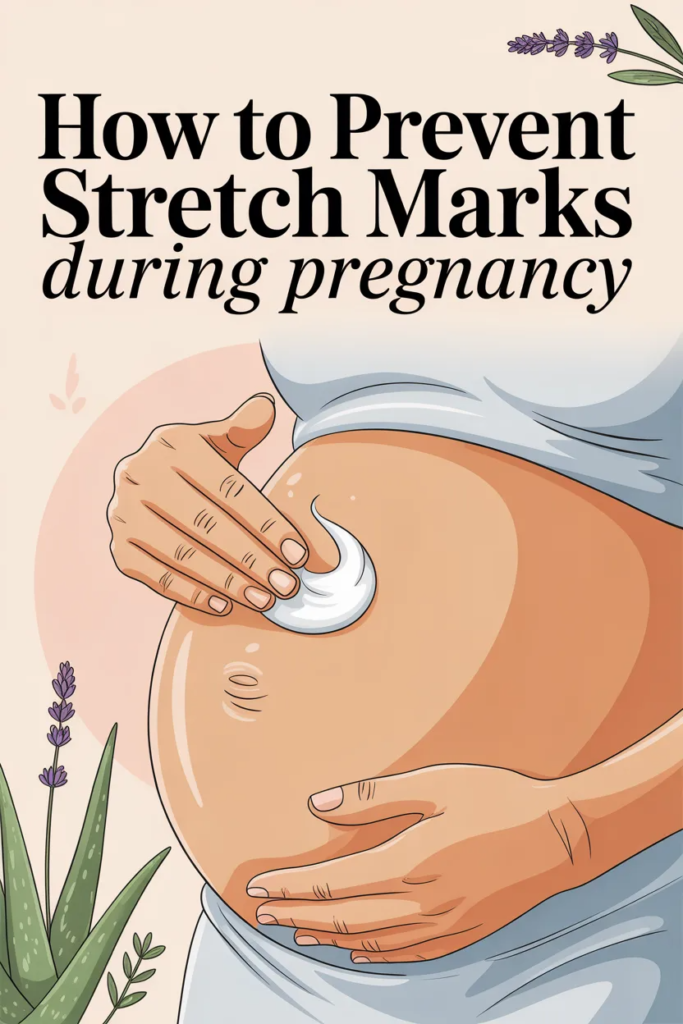
If you’re looking for the short answer, here’s what I’ve learned after researching this topic and following a consistent skincare routine throughout pregnancy. Stretch marks happen when the skin stretches faster than collagen and elastin fibers can adapt. Although genetics influence whether they appear, I found that moisturizing daily, staying hydrated, eating protein-rich foods, and gaining pregnancy weight gradually gave my skin the best chance to stay healthy.
The biggest lesson for me was that consistency matters far more than expensive products. Starting early and caring for my skin every day was much more valuable than trying to fix stretch marks after they appeared.
Key Takeaways
- Start moisturizing as early as possible in pregnancy.
- Apply a rich moisturizer immediately after showering while skin is still slightly damp.
- Drink enough water every day to support skin hydration.
- Eat foods rich in protein, vitamin C, vitamin E, and healthy fats to support collagen production.
- Gain pregnancy weight gradually according to your healthcare provider’s recommendations.
- Remember that genetics also affect whether stretch marks develop, so prevention isn’t guaranteed.
- Focus on healthy skin instead of chasing perfection.
Related article: Dead Giveaway Baby Boy Symptoms During Pregnancy
What Exactly Are Stretch Marks?
Stretch marks are thin lines that develop when the skin stretches quickly over a short period. During pregnancy, the growing uterus places extra tension on the skin, especially around the abdomen, hips, thighs, breasts, and lower back.
From what I’ve learned, these marks form because collagen and elastin fibers beneath the skin cannot keep up with rapid stretching. At first, they may appear pink, red, purple, or dark brown depending on your skin tone. Over time, they usually become lighter and less noticeable.
According to medical research, nearly 50% to 90% of pregnant women develop stretch marks during pregnancy. While they are completely harmless and don’t cause health problems, many women prefer to reduce their appearance by following a consistent skincare routine from early pregnancy.
When Can Stretch Marks Appear In Pregnancy?
Most women notice stretch marks during the second or third trimester, often between weeks 13 and 28, when the baby starts growing more rapidly. However, every pregnancy is different, and some women may notice changes even earlier or much later.
One thing I realized is that waiting until my belly became noticeably larger wasn’t the best approach. I preferred starting my skincare routine soon after confirming my pregnancy because healthy skin needs time to adapt to the changes ahead.
Even if you begin later in pregnancy, don’t feel discouraged. Regular moisturizing, proper nutrition, staying hydrated, and following your doctor’s advice can still help support your skin throughout the rest of your pregnancy.
The Secret To Prevent Stretch Marks During Pregnancy!
If there’s one habit I never skipped during pregnancy, it was keeping my skin moisturized every single day. I didn’t rely on expensive products or miracle claims. Instead, I focused on consistency because healthy skin responds better to regular care than occasional treatments.
Many creams promise to prevent stretch marks, but no product can guarantee that outcome. Research suggests that moisturizing may improve skin comfort, reduce dryness and itching, and help maintain the skin barrier. Genetics and hormones still play a major role, so it’s important to have realistic expectations.
The biggest difference, in my experience, wasn’t the brand I used—it was applying a rich moisturizer every day from early pregnancy and making it part of my routine.
Step-by-step Instructions to prevent stretch marks
Here’s the routine I found easiest to stick with throughout pregnancy.
1. Start Early
I didn’t wait until my baby bump became visible. As soon as I confirmed my pregnancy, I started caring for my skin. Early hydration gives the skin more time to adjust as your body changes.
2. Choose a Rich Moisturizer
I preferred using thick cocoa butter or natural coconut oil instead of lightweight lotions. Rich creams stay on the skin longer and help lock in moisture. If a product contains ingredients that irritate your skin, stop using it and speak with your healthcare provider.
3. Apply After Every Shower
The best time I found to moisturize was right after bathing while my skin was still slightly damp. This helps trap moisture and keeps the skin feeling soft for longer.
4. Cover Every Area That Stretches
I didn’t only apply moisturizer to my belly. I also covered my breasts, hips, thighs, lower back, and buttocks because these areas often expand during pregnancy. Missing certain areas can leave the skin feeling much drier.
5. Be Consistent
Missing a day here and there isn’t the end of the world, but I noticed the best results when I followed the same routine every day. Pregnancy lasts several months, so small daily habits add up over time.
6. Continue After Delivery
I kept moisturizing after giving birth as well. My skin continued changing during the postpartum period, especially while breastfeeding, so maintaining hydration remained part of my daily skincare routine.
Pro Tip: Keep your moisturizer beside your towel or toothbrush. Having it in plain sight makes it much easier to remember every day.
Other Ways That Help To Prevent Stretch Marks During Pregnancy
Moisturizer alone isn’t enough. I also paid attention to my overall health because healthy skin starts from the inside.
Drinking enough water every day helped keep my skin hydrated. I also focused on eating enough protein, since collagen is made from amino acids. Foods rich in vitamin C, vitamin E, zinc, and healthy fats support normal skin repair and collagen production.
Another habit I found helpful was gaining pregnancy weight gradually. Rapid weight gain can place extra stress on the skin. Following the weight gain recommendations from my healthcare provider helped me feel more confident that I was supporting both my baby’s growth and my skin.
Gentle exercise, quality sleep, and avoiding smoking also support healthy circulation and skin health throughout pregnancy.
Genetics?
One question I hear often is whether stretch marks are completely genetic. From everything I’ve read and discussed with healthcare professionals, genetics do play an important role.
If your mother or sisters developed stretch marks during pregnancy, your chances may be higher. Your skin type, age, hormone levels, and how quickly your body changes can also influence whether stretch marks appear.
That said, genetics aren’t the whole story. While I can’t control my genes, I can control how well I care for my skin. Staying hydrated, eating a balanced diet, and moisturizing consistently gave me peace of mind because I knew I was doing everything I reasonably could.
My goal was never perfect skin. It was giving my body the support it needed throughout pregnancy, regardless of whether a few stretch marks appeared in the end.
Also read: How To Treat Leg Pain During Pregnancy
How do I know this works??
I can only speak from my own experience and what I observed over multiple pregnancies. I followed a consistent moisturizing routine from early pregnancy, and I noticed that my skin stayed more comfortable, less itchy, and more flexible as my belly grew.
One thing I clearly learned was that whenever I skipped areas or became inconsistent, those spots felt drier and less supported. This made me more disciplined about applying moisturizer everywhere my body was stretching.
At the same time, I also understand that stretch marks can still appear even with good care. Dermatology research consistently shows that while moisturizers help improve skin hydration, they do not completely prevent stretch marks for everyone because hormones and genetics strongly influence skin structure changes during pregnancy.
So for me, “it worked” doesn’t mean perfection. It means I gave my skin the best possible support during a time of rapid change.
Best Cream To Prevent Stretch Marks During Pregnancy
When it comes to products, I kept things simple. I focused on thicker moisturizers because they stayed on the skin longer and helped reduce dryness.
In my routine, cocoa butter and coconut oil were the most practical options. Cocoa butter felt richer and more protective, while coconut oil absorbed faster but could feel greasy. Some days I even alternated between both depending on how my skin felt.
From a skincare perspective, ingredients like cocoa butter, shea butter, hyaluronic acid, vitamin E, and natural oils are commonly used because they help improve skin hydration and elasticity. However, there is no clinical proof that any single cream can fully prevent stretch marks.
My practical approach was simple:
- Use a thick moisturizer daily
- Apply immediately after showering
- Reapply on dry or tight-feeling areas
- Stay consistent rather than switching products often
I avoided focusing too much on brand claims and instead prioritized routine and consistency, which made the biggest difference in how my skin felt throughout pregnancy.
Conclusion
Looking back, the most important thing I learned about stretch marks during pregnancy is that there is no guaranteed prevention method. Genetics, hormones, and how quickly the body changes all play a role.
What I could control was my daily routine, and I chose to focus on that. Keeping my skin moisturized, drinking enough water, eating well, and gaining weight gradually helped me feel more prepared and confident throughout pregnancy.
Even if stretch marks still appear, they are a normal part of pregnancy for many women and do not reflect anything wrong with the body. What matters most is overall health and supporting your skin as it adapts to one of the most significant changes it will ever go through.
Check this: First Trimester Pregnancy Favorites I Can’t Live Without
FAQs
Q1: Can stretch marks be completely prevented during pregnancy?
No. They can be reduced in appearance in some cases, but genetics and hormones play a major role.
Q2: When should I start using stretch mark cream in pregnancy?
The earlier, the better. Starting in the first trimester gives skin more time to stay hydrated and flexible.
Q3: Does coconut oil or cocoa butter really work?
They help improve skin hydration and comfort, but they cannot guarantee prevention of stretch marks.
Q4: Where do stretch marks usually appear first?
Most commonly on the abdomen, breasts, hips, thighs, and lower back.