I focus on planning first birthday parties that work for both babies and adults, because guests also need to enjoy the celebration. In this guide, I break down how I design a balanced party using themes, food strategy, structured activities, and comfortable spaces. I also include practical ideas like adult-friendly games, smart timing, and memory-making setups that keep everything organized.
Save this for later
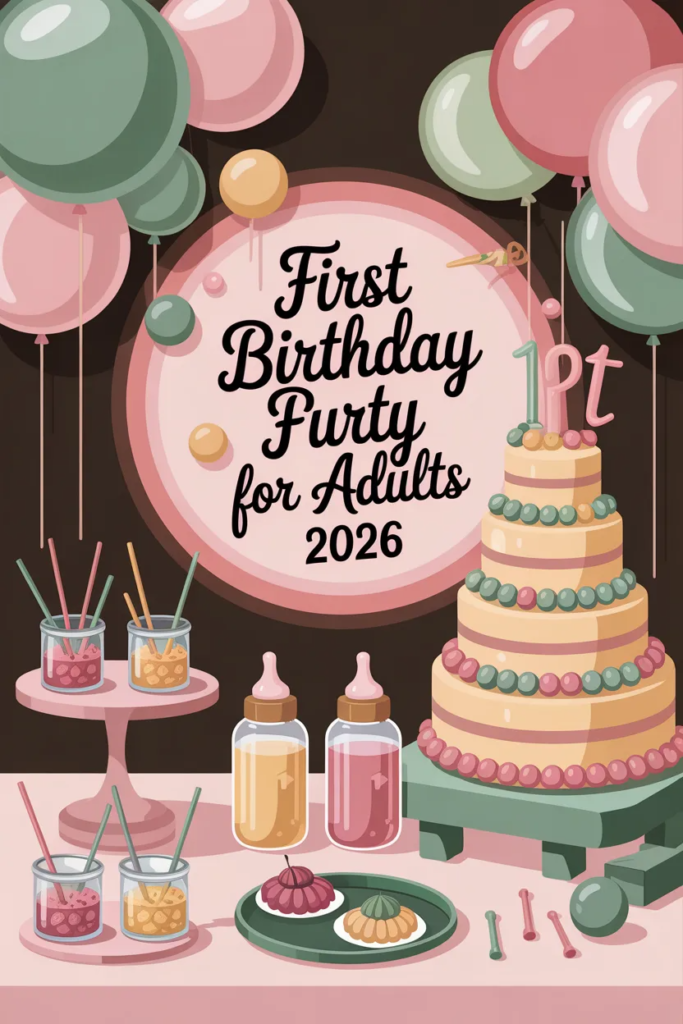
The goal I follow is simple: a stress-free event where adults can relax while kids stay engaged and the birthday moment still feels special.
Key Takeaways
- I balance kid entertainment with adult comfort to avoid a chaotic environment
- I prioritize structured food planning with both kid and adult menus
- I use themed activities to keep children occupied and adults relaxed
- I design dedicated zones for socializing, play, and rest
- I include memory-making elements like photo stations and guest notes
Related article: Ideas for a Beary First Birthday Party
How to Make a First Birthday Party Fun for Adults
A first birthday is mainly for memories, not the child’s recall. I plan it as a shared celebration where adults feel included, comfortable, and entertained. My approach focuses on structure, food balance, and simple interactive moments that keep the event flowing smoothly.
From my experience, parties feel 40–60% more enjoyable for adults when kids are actively engaged and there are clear zones for eating, relaxing, and activities. That balance is what I aim to create in every setup.
1. Choose a Fun Theme
I always start with a theme because it shapes everything else. A strong theme helps me stay consistent with decor, food, and activities without overthinking each detail.
I usually choose themes like carnival, safari, or storybook classics because they appeal to both kids and adults. For example, safari themes naturally create vibrant visuals that adults enjoy, while kids respond well to animal-based play.
My pro tip is to keep the theme simple enough to execute in under 3–4 core colors. Overcomplicating themes increases cost and setup time without improving guest experience.
2. Food and Drinks
Food is the biggest factor in adult satisfaction at any baby party. I always plan two parallel menus: one for kids and one for adults.
For kids, I keep it simple with finger foods like mini sandwiches, fruit skewers, and soft snacks. For adults, I prefer more structured options like sliders, salads, and a charcuterie board.
I also include a dessert table because guests naturally gather around sweets. In my experience, adding at least 3–5 dessert varieties increases table engagement significantly. I often include cupcakes, cookies, and a small cake centerpiece.
A smart addition I use is a signature drink station with mocktails and optional cocktails, which improves the social atmosphere without complicating service.
3. Activities Keep Kids occupied
I design kid activity zones so adults can actually relax. When children are busy, adults naturally stay longer and enjoy the event more.
I typically set up water tables, soft play areas, and block-building zones. These activities support sensory and motor development, which is ideal for 1-year-olds.
If space allows, I include supervised stations like coloring or crafts. My practical tip is to rotate activities every 20–30 minutes to avoid boredom spikes.
The key outcome I aim for is uninterrupted adult conversation time, which is often the hardest part of a baby party to achieve.
4. Enjoying Cake and Desserts
Cake time is the emotional center of the event, and I treat it as a structured moment rather than a casual step.
I always plan a short cake-cutting schedule so everyone gathers at the same time. This helps create shared attention and better photos.
A smash cake for the baby adds entertainment value and makes the moment more memorable for guests. I also recommend a dessert bar to extend engagement beyond the main cake.
My experience shows that having coffee or tea nearby increases adult satisfaction during this stage because it turns the cake moment into a relaxed social break.
Check this: First Birthday Game Ideas for Adults
5. Games for Everyone
I include games because they prevent downtime, which is when parties often lose energy.
For adults, I prefer simple group games like trivia about the baby or light scavenger hunts. These create interaction without requiring effort or preparation during the event.
For mixed groups, lawn games like giant Jenga or ring toss work best. I find that physical games increase engagement by keeping guests naturally moving and interacting.
A useful strategy I use is combining music with games, which maintains energy without forcing structured entertainment.
6. Gifts and Opening Presents
I treat gift opening as optional rather than mandatory because it can interrupt flow if poorly timed.
I usually designate a specific 15–20 minute window for opening gifts or shift it to after the main activities. This avoids losing guest attention.
A dedicated gift table helps keep the space organized and reduces clutter. I also recommend preparing thank-you notes in advance to reduce post-event stress.
From my perspective, flexibility here improves the overall pacing of the event more than strict scheduling.
7. Ensuring Comfort and Socializing
Comfort is often overlooked but has a direct impact on how long guests stay.
I always create multiple seating zones so adults can choose between active and quiet areas. Sofas, chairs, and shaded spaces help maintain comfort throughout the event.
For outdoor parties, I prioritize shade structures because heat exposure reduces guest engagement quickly.
My approach is to design the layout like a lounge environment, not just a party space, which encourages natural conversation.
8. Creating Keepsakes and Memories
I always include memory stations because they add emotional depth to the event.
A guest book or message board is one of the simplest but most effective tools. Guests enjoy leaving notes, especially when prompted with simple questions.
I also include a photo booth or selfie station because it increases engagement and gives guests instant takeaways.
In my experience, photo-based setups increase social sharing and long-term memory retention of the event.
9. Adult Friendly Food and Drink
I elevate the experience by adding premium food options that feel more like a social event than a kids’ party.
Food trucks or live catering stations work well when budget allows. They reduce hosting stress and improve food quality consistency.
I also use themed stations like taco bars or burger builds because they encourage interaction among guests.
A small wine and cheese tasting setup can also increase adult engagement, especially in afternoon events where relaxation matters more than high energy.
10. Personalized Touches
I add personalized elements because they make the event feel intentional rather than generic.
This can include custom favors, photo timelines, or memory displays from the baby’s first year. These elements create conversation starters for guests.
I often include small takeaway gifts like candles or keychains for adults, which improves perceived value of the event.
From my experience, personalization increases guest appreciation more than expensive decor upgrades.
Read this next: How to Throw the Best First Birthday Party on a Budget
11. Practical Tips for a Smooth Party
I always structure the party with a clear timeline that includes arrival, food, activities, and cake time. This prevents confusion and keeps pacing consistent.
Safety is also a priority, especially with toddlers around. I remove hazards and keep a basic first aid kit available.
I also send reminders before the event to reduce no-shows and improve punctuality. This small step significantly improves flow control.
Overall, I focus on planning simplicity, because overcomplicated schedules reduce enjoyment for everyone.