Exhausted and looking for a structured plan? This overview looks at the “21 Days to Peace and Quiet” baby sleep program — what it is, how it works, and what to consider before you buy.

What Is the “21 Days to Peace and Quiet” Program?
“21 Days to Peace and Quiet” is an online baby sleep program built around a three-week plan: small, gradual changes to routines and sleep habits, introduced day by day, rather than one big overnight fix.
The Creator of 21 Days to Peace and Quiet: Jilly Blankenship
The program was created by Jilly Blankenship, the sleep consultant behind Baby Sleep Made Simple.
21 Days to Peace and Quiet: A Comprehensive Sleep Training Program
Inside, the program lays out a full sleep-training framework: schedules by age, settling techniques, nap guidance, and troubleshooting for regressions and early wakings.
Beneficial Aspects of the Program
Parents usually look at this program for a few reasons:
A Gentle Approach to Sleep Training
The plan presents itself as a gentler, gradual approach — changes are introduced step by step across the 21 days, instead of all at once.
Positive Progress With Your Baby’s Sleep
Because the steps are daily and small, progress tends to be incremental — longer stretches and easier bedtimes — without overhauling everything in one night.
Investigating the Controversial Cry It Out Method
The program positions itself as an alternative to traditional cry-it-out, using timed check-ins and gradual fading instead of leaving a baby to cry alone for long stretches.
Emotional and Spiritual Impact of the Program
Sleep deprivation is emotional as much as physical — and the program leans into that side of it too:
Rediscover the Joy of Parenting
Better rest changes the whole household’s mood. The program frames its goal as helping parents enjoy the baby stage again, instead of just surviving it.
The Calmness and Spirituality Offered
Its tone is deliberately calm and reassuring — written for tired parents who need confidence as much as instructions.
Care for You As the Mom
Unusually, the program also speaks to the mother’s wellbeing — rest, mindset, and asking for help — not just the baby’s schedule.
Frequently Asked Questions
Quick answers:
Does the program help with sleep issues?
It’s designed for the common ones — frequent night wakings, short naps, early rising, and trouble settling — using routine and consistency over three weeks.
Is it better than other sleep training methods?
No method is best for every family. This one’s appeal is structure and gradual pacing; families who want a faster route, or a fully no-cry one, may prefer a different style.
What age range is the program suitable for?
Programs like this are generally aimed at babies from about 4–6 months — when sleep training is typically first considered — through toddlerhood. Check the program’s own guidance for your baby’s age.
Are there any side effects?
Expect a few unsettled nights while habits change — that’s normal with any method. If your baby seems unwell, or you’re ever unsure, pause and check with your pediatrician.
How does the program work?
You follow daily steps across 21 days: set the schedule, adjust the routine, practice the settling method, and troubleshoot — each change building on the last.
Are the results long-lasting?
Habits built gradually tend to stick, though regressions from illness, travel, or milestones can mean re-using the steps later — the plan is designed to be repeatable.
What Are Some Other Methods of Sleep Training?
Alternatives include Ferber-style timed checks, the chair method and other fading approaches, pick-up-put-down, and no-cry methods — each with a different speed and a different amount of crying involved.
How is 21 Days to Peace and Quiet Different From Other Online Courses?
The main difference is pacing and framing: a fixed 21-day roadmap with a gentle, parent-focused tone, rather than a single technique taught on its own.
Our Favorite Baby Sleep Products
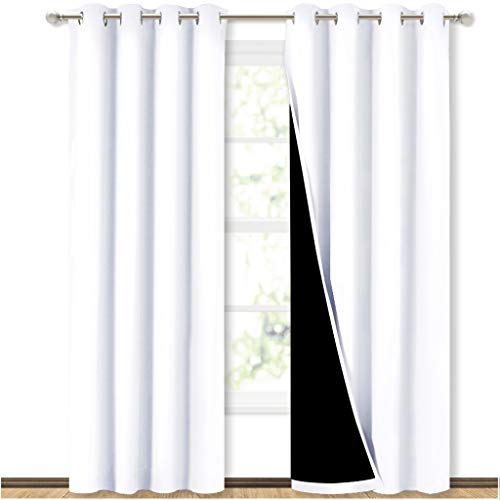
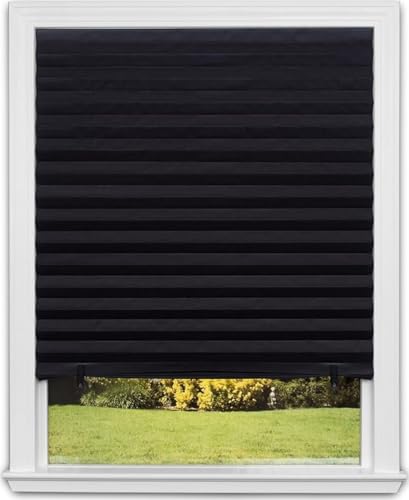
And the sleep products from this collection — the darkness-and-sound basics that help any sleep plan work: the Homedics SoundSleep white noise machine, Redi Shade blackout paper shades, the Woolino Ultimate sleep sack, and NICETOWN blackout curtains.