I focus on practical baby shower game prizes that guests actually want to take home and use instead of leaving behind. The core idea is simple: value is not about price, it’s about usefulness and presentation. Even low-cost items under $5 can feel premium when packaged well and chosen thoughtfully.
Most effective prizes fall into everyday-use categories like candles, self-care items, snacks, gift cards, and small lifestyle goods. DIY bundles such as spa jars, mug kits, and tote bags consistently outperform generic candy or bulk filler items. Budget-wise, most showers can stay within $40–$60 total prize spend while still running multiple games.
Save this for later
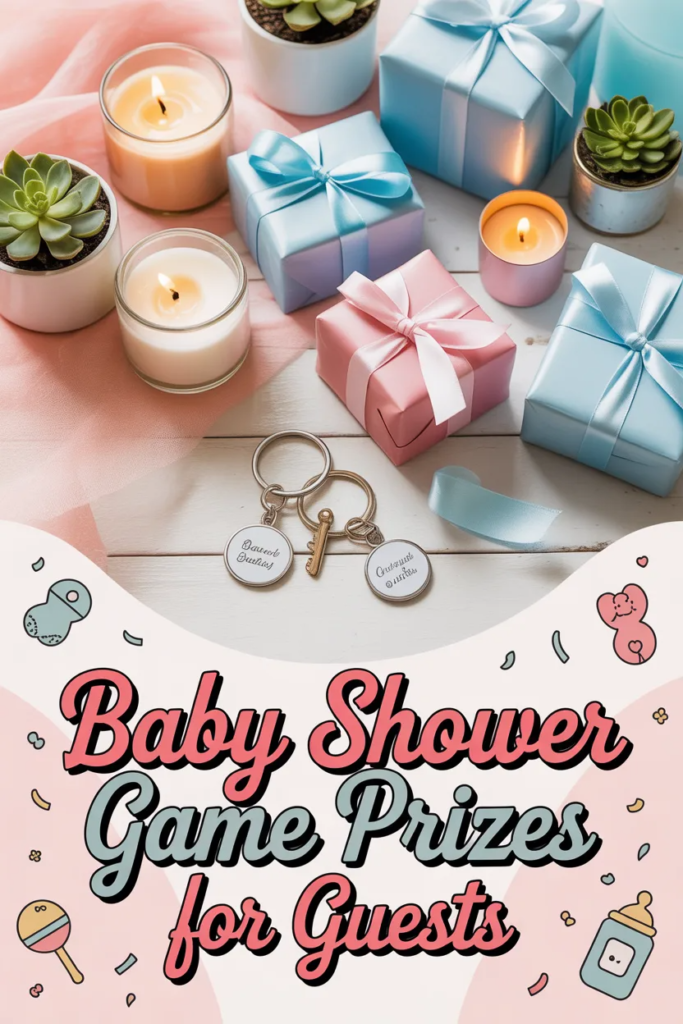
A key planning insight is reducing quantity and increasing perceived value. Instead of 30 cheap items, I would prioritize 1 meaningful prize per game. Presentation also matters significantly—ribbons, jars, and cohesive packaging can increase perceived value by 2–3x without increasing cost.
Key Takeaways
- I prioritize 1 quality prize per game instead of mass giveaways
- Most effective price range is $3–$10 per prize
- DIY bundles outperform generic store-bought fillers
- Presentation can double perceived value instantly
- Total prize budget typically stays under $60 for most showers
Related article: Easy Baby Shower Food Ideas
When I plan baby shower games, I treat prizes as part of the experience, not an afterthought. I’ve seen how weak prizes reduce guest engagement, even when the games themselves are good. On the other hand, simple but thoughtful rewards completely change the energy in the room.
My approach is built on one rule: if I wouldn’t want to take it home myself, I don’t use it as a prize. That mindset alone improves selection quality and avoids wasted spending.
1. Scented Candles (The One Prize Nobody Complains About)
I consistently find candles to be the safest and most appreciated prize option. A $5–$12 candle in a neutral scent like vanilla or eucalyptus feels premium regardless of budget. I avoid overly strong or novelty scents because they don’t appeal to mixed groups.
Pro tip: I stick to simple glass jars because they double as home decor, which increases long-term value perception.
2. A Starbucks Card Tucked Inside a Reusable Tumbler
I combine practicality with presentation here. A $5 coffee card inside a $3–$5 tumbler instantly feels like a curated gift. This works especially well because guests reuse both items.
The key insight is that pairing consumable value (gift card) with physical utility increases satisfaction.
3. Mini Succulent in a Painted Pot
I use small succulents because they require minimal maintenance and last for months. Bulk packs bring cost down to around $2–$3 per unit when assembled.
I’ve found painted pots matching the event theme also double as table decor, which reduces separate decoration costs.
4. Nail Polish and File Bundle
This is one of the most cost-efficient setups I use, often under $4 per prize. I combine nail polish, a mini file, and a small bag.
The real value comes from bundling low-cost items into a “complete mini kit,” which increases perceived usefulness.
5. Coffee Mug Stuffed With Treats
I often build seasonal kits inside mugs. In colder months, I use cocoa and biscuits; in summer, iced tea and candy. Total cost usually stays around $6–$8.
This works because it feels like a full experience, not just a single item.
6. Lip Balm Sets
Lip balm is one of the highest ROI prizes in terms of cost vs appreciation. Bulk packs reduce per-unit cost to under $2.
I pair it with a light message card to make it feel personalized rather than generic.
7. The DIY Spa Jar (High-Impact Prize)
This is my go-to “premium look on a budget” prize. I assemble mason jars with lotion, bath bombs, face masks, and small beauty items for about $8–$10 each.
What makes it work is visual layering. A well-arranged jar feels like a $25+ gift even when it isn’t.
Pro tip: I always match colors to the shower theme for higher perceived planning effort.
8. Scratch-Off Lottery Tickets
I use this for instant excitement. Three $1 tickets bundled together keep cost under $5 while adding unpredictability.
It works because it introduces chance-based reward psychology.
9. Wine or Mini Champagne Bottles
Mini bottles cost around $3–$6 and consistently rank high in guest preference for adult events.
I keep presentation simple with a ribbon and tag to elevate appearance.
10. Charcuterie Board
This is my “top-tier” prize option, usually reserved for winners of major games. Cost sits around $10–$15.
It feels premium and has strong long-term usability in kitchens.
11. Hand Cream Trio
I use this for self-care themed showers. Bundling three small creams increases perceived value without high cost.
Typical price range stays between $10–$15 depending on brand.
12. What Not to Give: A Cautionary Lesson
I’ve learned that cheap bulk candy or identical filler bags don’t create excitement. Even if cost efficiency is high, engagement drops significantly.
My shift was simple: fewer prizes, higher quality. That single change improved guest participation dramatically.
13. Cookie Mix in a Mason Jar
This is a DIY-friendly option where I layer dry baking ingredients in jars. Cost stays around $3–$4.
It performs well because it turns into an activity at home, not just a gift.
14. Movie Night Kit
I combine popcorn, candy, and a small streaming card. This creates a “ready experience” rather than a single item.
I keep total cost under $10 per kit.
15. Fuzzy Socks
This is a seasonal favorite. At $3–$5 per pair, it’s one of the easiest high-approval prizes.
I use simple packaging with a short thank-you tag for emotional touch.
16. Tea Sampler Box
I use tea kits for calm, wellness-themed showers. Cost varies between $6–$12.
Adding honey sticks increases perceived value without much cost impact.
Check this: 76+ Baby Shower Themes You’ll Actually Want to Copy
17. Personalized Chocolates
I often use custom wrappers with names or event details. This boosts perceived exclusivity while keeping cost at $2–$4 per unit.
18. Essential Oil Roller
This works well for wellness-focused events. DIY versions reduce cost to around $1.50 each.
Lavender and eucalyptus are the most universally accepted options.
19. Reusable Tote Bag With Goodies Inside
I use tote bags as both packaging and prize. Filling them with small items creates a multi-layer gift experience.
This is one of the most reusable and practical options available.
20. Photo Frame
A $3–$5 frame seems simple, but I use it because it encourages long-term use and emotional attachment.
It works best when paired with a note encouraging photo printing.
21. Baked Goods From My Kitchen
Homemade items have high emotional value despite low cost. I focus on presentation using cellophane and labels.
This prevents it from feeling like leftover food.
22. Bottle Opener (For Coed Showers)
I use novelty bottle openers for mixed-gender events. At $1–$3, they are extremely budget-friendly.
Pairing with snacks or drinks increases relevance.
23. Gift Card Bouquet (Grand Prize)
This is my highest-value prize setup, usually around $25 total. I attach multiple small gift cards to create a visual bouquet effect.
It works best for raffles or final game winners because it drives competition throughout the event.
How Many Prizes I Actually Use
I follow a simple rule: one prize per game, not one per guest. For a typical shower with four games, I prepare four main prizes and one backup.
This approach keeps costs controlled while maintaining excitement throughout the event.
How I Present Prizes for Maximum Impact
I never hide prizes. I display them clearly on a dedicated table so guests can see what they’re competing for.
Consistent wrapping and color coordination significantly improve perceived value without increasing cost.
Also read: Fall Baby Shower Ideas
FAQ
What is a good budget for baby shower game prizes?
I typically stay between $40–$60 total depending on number of games and whether I include a raffle prize.
Do prizes need to match the theme?
They don’t need to match exactly, but consistent colors or wrapping improves visual appeal.
What works best for coed showers?
I prefer neutral items like gift cards, snacks, bottle openers, and mugs.
Should every prize be wrapped?
Light wrapping is enough. The goal is presentation, not elaborate packaging.
Can I reuse the same prize type?
Yes, but I rotate variety to keep competition high across multiple games.